
EQUIPMENT AND TOOLS USED BY FIRE WATCH GUARDS
1. INTRODUCTION
When fire-protection systems are not accessible or when activities like welding and cutting pose additional risks, fire watch guards assist in safeguarding buildings, employees, and property. In addition to being vigilant and well-trained, their efficacy also depends on possessing the appropriate tools. With the right equipment, guards can patrol securely, communicate fast, see threats, and react correctly in an emergency.
The effectiveness of fire-watch personnel depends not only on training and alertness but also on having the right equipment readily available. When selecting Sacramento fire watch guards, property managers should confirm that personnel have reliable communication devices, functioning flashlights, appropriate protective gear, site plans, inspection checklists, and other tools suited to the specific hazards of the property. Properly equipped guards can patrol more confidently, communicate hazards without unnecessary delays, and maintain accurate records throughout their assigned shifts.
2. ESSENTIAL COMMUNICATION REQUIREMENT
Raising the alarm promptly is a fire watch guard’s primary duty. A two-way radio, a charged cell phone, an air horn, a whistle, or any authorized alert equipment should be available to guards. They should have an up-to-date emergency contact list that includes the building manager, security supervisor, maintenance staff, and fire department.
Every shift must start with a test of the communication equipment. Dangerous delays may result from a device with a dead battery or weak signal. Additionally, guards should be aware of the precise locations of alarm pull stations and the building’s emergency reporting protocol.
3. PATROL AND VISIBILITY TOOLS
A bright flashlight is necessary for checking dark corridors, stairwells, basements, storage rooms, and mechanical areas. Spare batteries or a backup light should always be available. During outdoor or construction-site duties, a headlamp may be useful because it leaves both hands free.
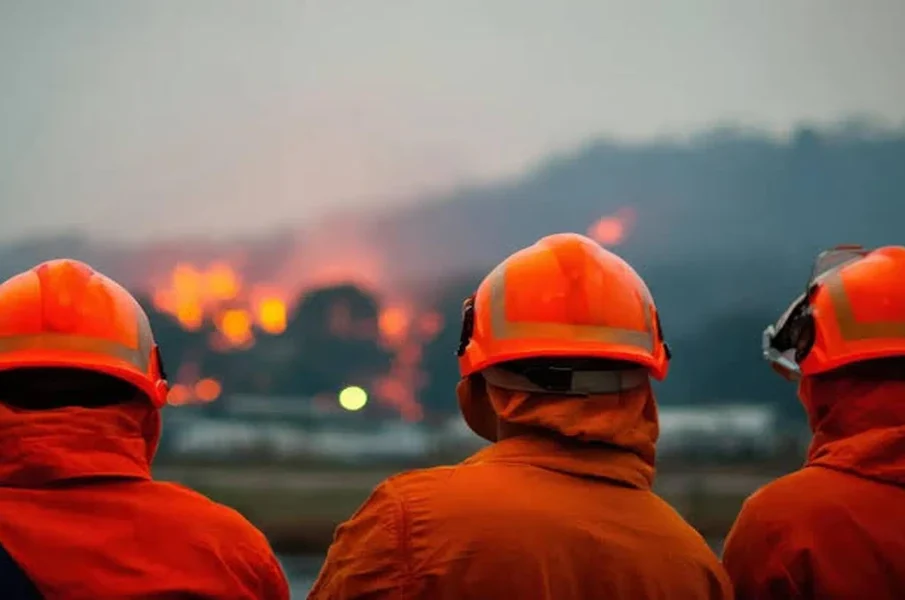
High-visibility clothing, such as a vest marked “Fire Watch,” helps workers and emergency responders identify the assigned guard. Depending on the site, additional personal protective equipment may include a hard hat, safety glasses, gloves, protective footwear, hearing protection, or flame-resistant clothing. OSHA guidance also requires appropriate protective equipment where specific work environments create such needs.
4. FIRE PROTECTION EQUIPMENT
There should be a portable fire extinguisher that is appropriate for the threats at hand, close by, and easily accessible. It must be taught to guards, and they should never try to put out a fire that is rapidly developing or endangering their safety. A fire blanket, fire hose, or other first-response tools might also be available in some buildings.
Floor plans, keys, access codes, and information about individuals who might require assistance during an evacuation should all be accessible to guards. They can safely guide occupants and inspect all necessary areas with the use of these products.
5. RECORD KEEPING MATERIALS
Patrol times, dangers, incidents, alerts, and corrective measures must be documented using a fire-watch logbook, clipboard, pen, inspection checklist, or mobile reporting app. Precise documentation demonstrates that necessary patrols were carried out and aids the following shift in comprehending current issues.
6. CONCLUSION
Three fundamental tasks should be supported by fire watch equipment: identifying danger, communicating promptly, and reacting safely. Effective coverage is aided by radios, sirens, flashlights, extinguishers, safety gear, site plans, and inspection records. Even the most skilled guard cannot function dependably with missing or faulty equipment, therefore equipment needs to be inspected on a regular basis.